
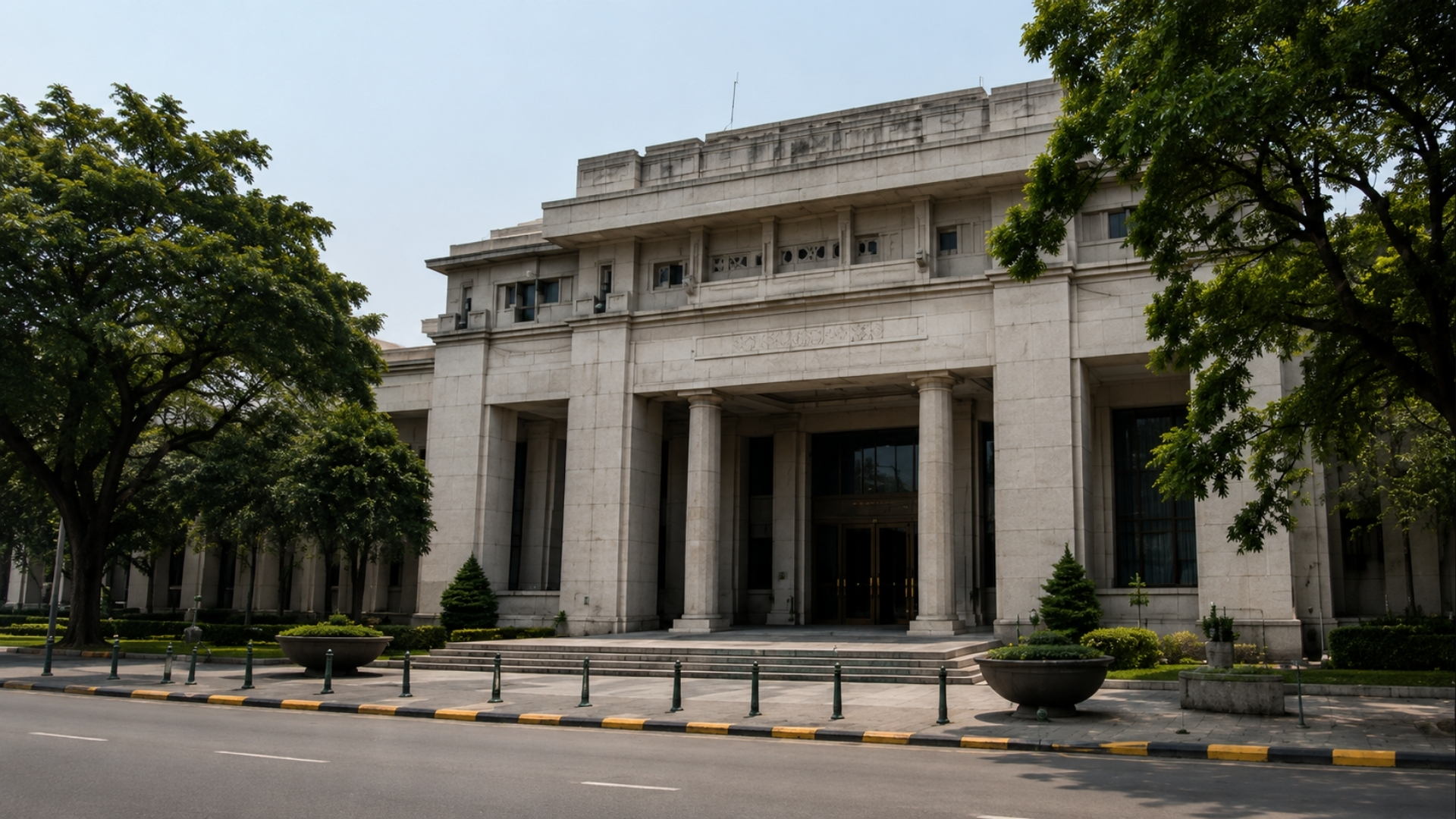






Bank Indonesia Governor Perry Warjiyo resigned on July 27, 2026, two years before his term was due to end, citing personal reasons and unsettling investors who had viewed him as a stabilizing figure for the rupiah. Senior Deputy Governor Destry Damayanti has been appointed acting governor while President Prabowo Subianto’s government prepares to nominate a permanent successor.
Key Facts At A Glance
- Perry Warjiyo submitted his resignation letter on July 25 and it was accepted by President Prabowo Subianto
- The resignation was publicly announced on July 27, 2026 by State Secretariat Minister Prasetyo Hadi
- Senior Deputy Governor Destry Damayanti has been named acting governor of Bank Indonesia
- Warjiyo had served as governor since May 2018 and was reappointed for a second term in 2023, with his current term due to run until 2028
- Official reason given for the resignation was “personal reasons”; no further explanation was provided
- The rupiah weakened against the US dollar and Indonesian stocks briefly dropped following the announcement
- No candidate for the permanent governorship had been nominated as of the announcement
- Indonesia’s parliament recently passed legislation expanding lawmakers’ influence over the central bank’s growth mandate
Sudden Departure Rattles Markets
Bank Indonesia Governor Perry Warjiyo resigned from his post on July 27, 2026, in a move that caught markets off guard given his reputation as a steady policymaker during periods of currency volatility. State Secretariat Minister Prasetyo Hadi confirmed that President Prabowo Subianto had accepted the resignation, which Warjiyo submitted in a letter dated July 25. The rupiah weakened as much as 0.14 percent against the US dollar in early trading following the news, while Indonesia’s benchmark stock index briefly fell before recovering.
Warjiyo, who joined Bank Indonesia in 1984 and was first appointed governor in May 2018, was reappointed for a second five-year term in 2023 that was not due to expire until 2028. During his tenure he represented Indonesia at international forums including the IMF, the Financial Stability Board and the Bank for International Settlements, and had chaired the BIS Asian Consultative Council since 2021.
Interim Leadership And Succession
Senior Deputy Governor Destry Damayanti has been appointed acting governor following a Board of Governors meeting held the day the resignation was submitted. Damayanti told reporters that Bank Indonesia would ensure continuity of its duties to maintain rupiah and financial system stability. Prasetyo Hadi said a presidential decree would be issued to formally discharge Warjiyo, and that President Prabowo had not yet nominated a candidate for the permanent governorship.
Independence Concerns
The resignation comes weeks after Indonesia’s parliament passed legislation expanding its role in setting recommendations for the central bank and other independent financial regulators, a development analysts say has fueled concern about erosion of Bank Indonesia’s policy independence. The rupiah had already slid to a historic low in June amid global market turmoil and questions over Indonesia’s fiscal management, factors that had increased scrutiny of the central bank’s ability to act independently of government pressure.
Publicly available information on the specific personal reasons behind Warjiyo’s departure remains limited, as neither Warjiyo nor government officials have provided further detail beyond the general characterization offered at the announcement.