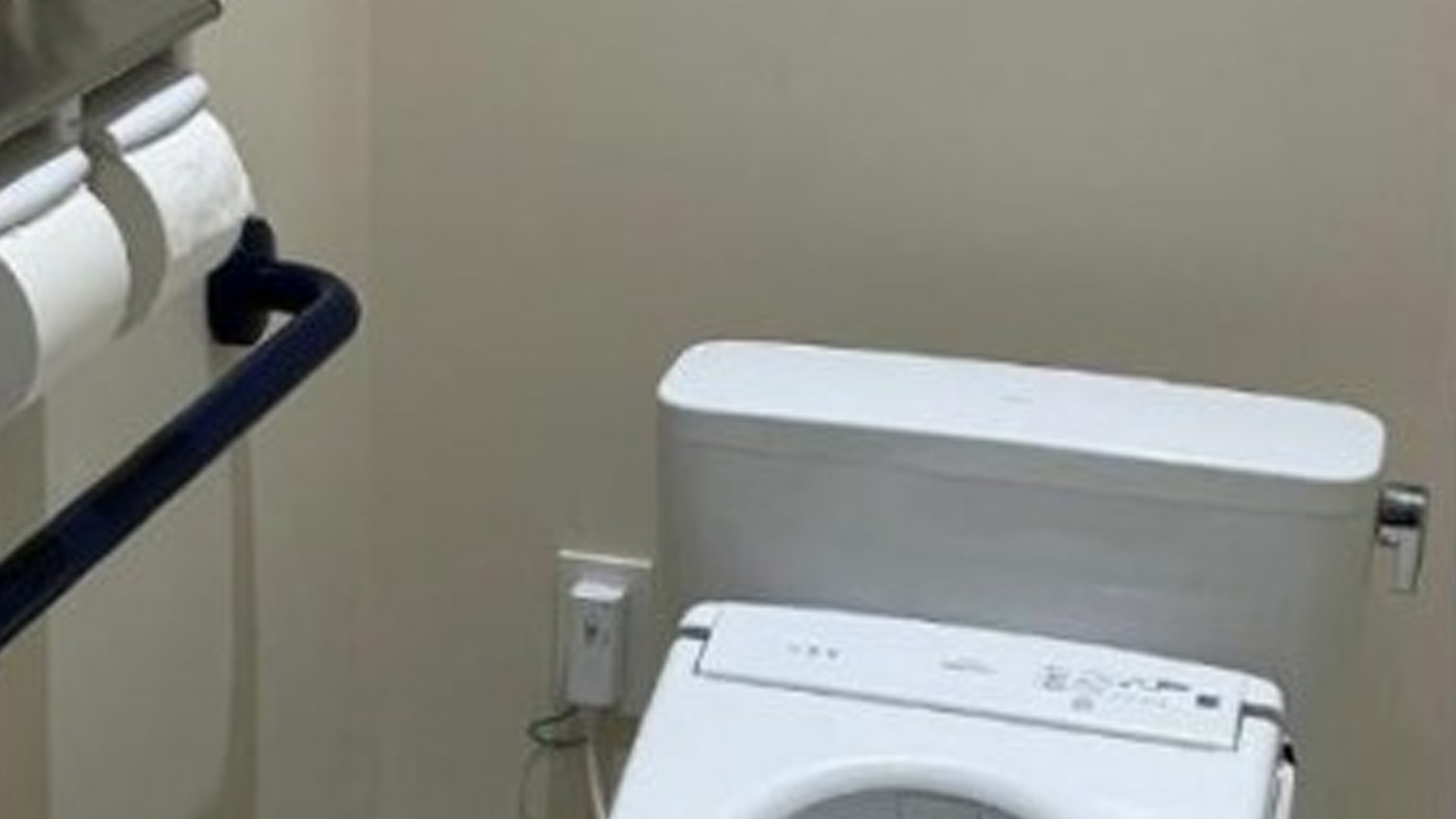






Sanitary items are provided for free in some women’s restrooms in the 2025 World Exposition in the western Japan city of Osaka through a project led by the University of Osaka.
Faculty and students from the university have installed self-developed cardboard dispensers to provide menstrual products, supplied by sponsoring companies, at nine restrooms at the Expo venue, including pavilion areas.
The team aims to foster a society with restrooms where sanitary items for women are easily accessible.
The MeW project of the university’s Graduate School of Human Sciences researches issues related to menstruation and sanitary products from various angles.
When they first installed a dispenser in a campus restroom in 2021, they received many positive opinions. One user said, “I felt like someone sympathized with the pain I feel during menstruation.”
The dispensers have already been set up at more than 5,000 spots across Japan, including restrooms at local governments and schools.
After a powerful earthquake struck the Noto Peninsula in the central Japan prefecture of Ishikawa last year, team members visited evacuation centers to install the dispensers.
Visitors to the Osaka Expo have also expressed positive views about the initiative. One visitor said “the dispenser was very helpful as my period suddenly started.”
Another visitor said, “it feels like a future restroom.”
But in one incident, a huge amount of sanitary items disappeared.
In April, the project team held a symposium to talk about challenges linked to menstruation at the Women’s Pavilion at the Expo.
“Many people treat menstruation as something that should be hidden,” said Eri Sugita, professor at the university and an initiator of the project. “Everyone should have proper knowledge about menstruation.”
During the Covid-19 pandemic, concerns over “period poverty,” or difficulty in obtaining sanitary items for economic reasons, drew attention.
The professor emphasizes that this should not be a temporary problem.
“Sanitary items are essentials to protect life and health,” Sugita said. “I want people to see it as a societal challenge, not just a women’s issue.” (PNA)